Introduction
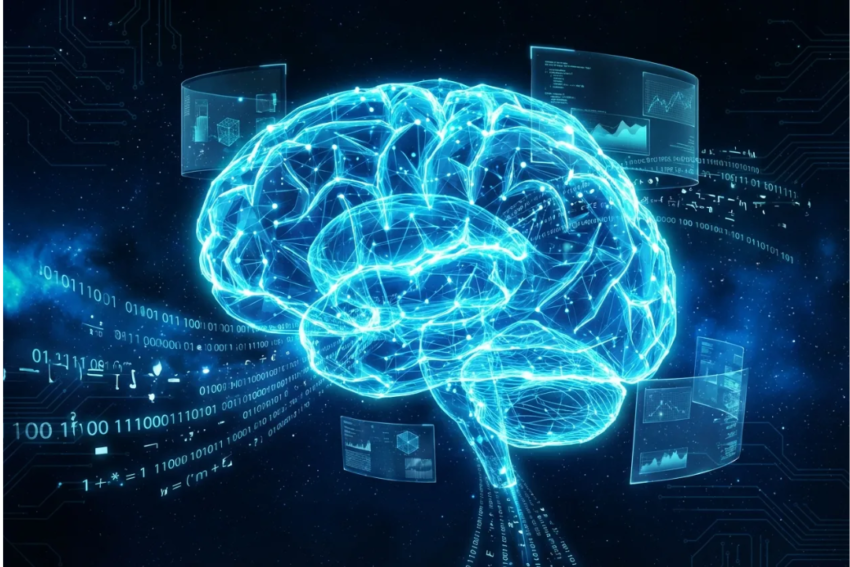
Artificial Intelligence (AI) has rapidly evolved from a futuristic concept into a powerful force reshaping industries, economies, and everyday life. Once limited to science fiction and theoretical research, AI now powers virtual assistants, recommendation systems, autonomous vehicles, and advanced medical diagnostics.
The rise of artificial intelligence marks one of the most significant technological revolutions of the 21st century, influencing how humans work, communicate, and solve complex problems.
As businesses and governments invest heavily in AI technologies, the global impact of artificial intelligence continues to expand. From machine learning and deep learning to natural language processing and robotics, AI is redefining what machines can achieve.
This article explores the rise of artificial intelligence, its history, core technologies, applications, benefits, challenges, and future potential, while providing a fully SEO-optimized perspective on this transformative technology.
What Is Artificial Intelligence?
Artificial Intelligence refers to the simulation of human intelligence in machines that are programmed to think, learn, and make decisions. These systems are designed to perform tasks that typically require human intelligence, such as problem-solving, speech recognition, image analysis, and decision-making.
Key Characteristics of Artificial Intelligence
- Learning – AI systems improve performance through data and experience.
- Reasoning – Ability to analyze information and make logical decisions.
- Perception – Interpreting visual, audio, or sensory inputs.
- Adaptability – Adjusting behavior based on new data.
AI can be broadly categorized into:
- Narrow AI – Designed for specific tasks (e.g., chatbots, facial recognition).
- General AI – A theoretical form capable of human-level intelligence.
- Super AI – Hypothetical intelligence surpassing human abilities.
A Brief History of Artificial Intelligence
The rise of artificial intelligence did not happen overnight. Its development spans several decades of research, innovation, and technological breakthroughs.
Early Beginnings (1950s–1970s)
The concept of AI gained traction in the 1950s when British mathematician Alan Turing proposed the famous Turing Test, a method to evaluate a machine’s ability to exhibit intelligent behavior. In 1956, the term “Artificial Intelligence” was officially coined at the Dartmouth Conference.
Early AI systems focused on rule-based logic and symbolic reasoning. However, limited computing power and data slowed progress.
AI Winters and Renewed Interest (1980s–1990s)
During this period, AI faced funding cuts and reduced enthusiasm, known as AI winters, due to unmet expectations. Despite setbacks, research continued in expert systems and neural networks.
The Modern AI Boom (2000s–Present)
The rise of artificial intelligence accelerated dramatically due to:
- Increased computing power
- Availability of big data
- Advances in algorithms
- Cloud computing and GPUs
Technologies such as machine learning and deep learning brought AI into mainstream applications, sparking widespread adoption across industries.
Core Technologies Driving the Rise of Artificial Intelligence
Machine Learning
Machine learning (ML) is a subset of AI that enables systems to learn from data without explicit programming. ML algorithms identify patterns and make predictions, improving performance over time.
Common machine learning types include:
- Supervised learning
- Unsupervised learning
- Reinforcement learning
Deep Learning
Deep learning uses artificial neural networks inspired by the human brain. These networks process large datasets to perform complex tasks like image recognition, speech translation, and autonomous driving.
Natural Language Processing (NLP)
NLP allows machines to understand, interpret, and generate human language. Applications include chatbots, voice assistants, sentiment analysis, and real-time translation.
Computer Vision
Computer vision enables AI systems to analyze visual data such as images and videos. It is widely used in facial recognition, medical imaging, surveillance, and autonomous vehicles.
Applications of Artificial Intelligence Across Industries
Artificial Intelligence in Healthcare
AI is revolutionizing healthcare by improving diagnosis, treatment, and patient care. Applications include:
- Disease prediction and early detection
- Medical imaging analysis
- Drug discovery
- Personalized treatment plans
AI-powered systems help doctors make faster, more accurate decisions, ultimately saving lives.
Artificial Intelligence in Business and Marketing
Businesses leverage AI to optimize operations and enhance customer experiences. Key applications include:
- Customer behavior analysis
- Personalized marketing campaigns
- Chatbots and virtual assistants
- Sales forecasting
AI enables data-driven decision-making, increasing efficiency and profitability.
Artificial Intelligence in Finance
The financial sector uses AI for:
- Fraud detection
- Algorithmic trading
- Credit risk assessment
- Customer support automation
AI improves security, accuracy, and speed in financial transactions.
Artificial Intelligence in Education
AI is transforming education through:
- Personalized learning platforms
- Automated grading systems
- Intelligent tutoring systems
- Virtual classrooms
Students benefit from customized learning experiences tailored to their needs.
Artificial Intelligence in Transportation
Self-driving cars and smart traffic management systems demonstrate AI’s role in transportation. These technologies aim to reduce accidents, improve efficiency, and lower emissions.
Benefits of the Rise of Artificial Intelligence
The widespread adoption of artificial intelligence offers numerous advantages:
Increased Efficiency and Productivity
AI automates repetitive tasks, allowing humans to focus on creative and strategic work. Industries experience faster operations and reduced costs.
Improved Accuracy and Decision-Making
AI systems analyze vast amounts of data with minimal error, leading to more accurate predictions and informed decisions.
Enhanced Customer Experience
Personalization powered by AI improves customer satisfaction across e-commerce, entertainment, and service industries.
Innovation and Economic Growth
The rise of artificial intelligence drives innovation, creates new job roles, and contributes to global economic development.
Challenges and Ethical Concerns of Artificial Intelligence
Despite its benefits, AI presents several challenges that must be addressed.
Job Displacement
Automation may replace certain jobs, raising concerns about unemployment and workforce adaptation. Reskilling and upskilling are critical to address this issue.
Data Privacy and Security
AI systems rely heavily on data, increasing risks related to data breaches, surveillance, and misuse of personal information.
Bias and Fairness
AI algorithms can inherit biases present in training data, leading to unfair or discriminatory outcomes.
Ethical and Legal Issues
Questions surrounding accountability, transparency, and control of AI systems remain unresolved, requiring regulatory frameworks and ethical guidelines.
The Future of Artificial Intelligence
The future of artificial intelligence is both promising and complex. Experts predict continued advancements in:
- General AI research
- Human-AI collaboration
- Ethical AI development
- Autonomous systems
AI is expected to play a central role in solving global challenges such as climate change, healthcare access, and sustainable development.
As AI becomes more integrated into society, responsible development and governance will be essential to ensure its benefits are shared equitably.
Artificial Intelligence and Human Collaboration
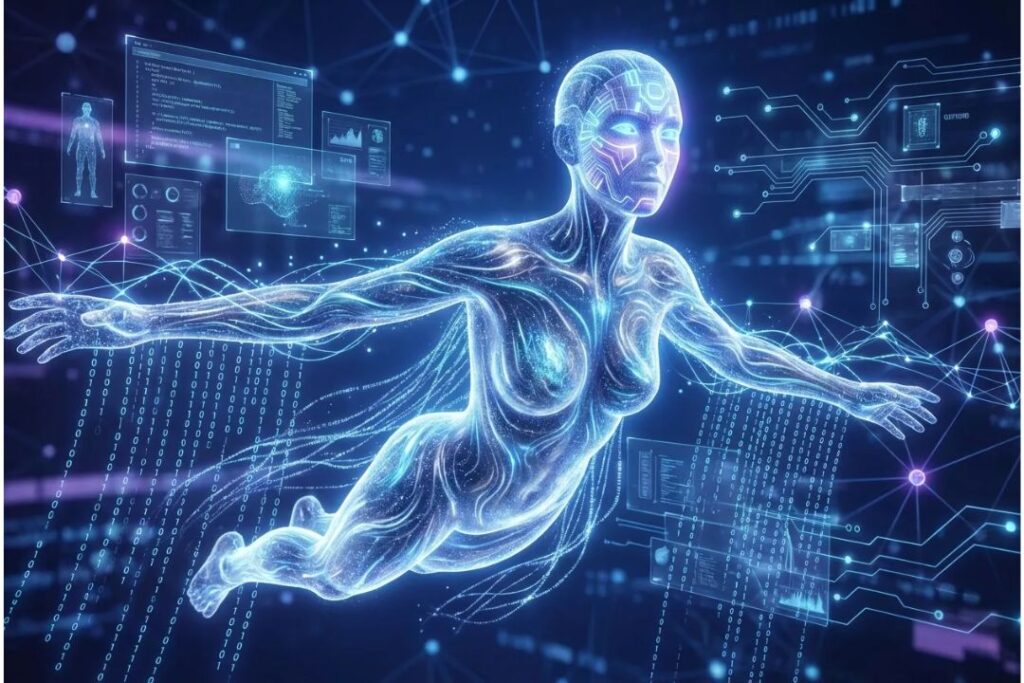
Rather than replacing humans, AI is increasingly viewed as a collaborative tool. Human creativity, emotional intelligence, and ethical judgment complement AI’s analytical capabilities.
The rise of artificial intelligence emphasizes augmentation rather than replacement, enabling humans to achieve more with intelligent systems by their side.
Conclusion
The rise of artificial intelligence represents a transformative shift in how technology interacts with the world. From healthcare and education to business and transportation, AI continues to reshape industries and redefine human potential. While challenges related to ethics, employment, and privacy remain, responsible innovation and thoughtful regulation can unlock AI’s full potential.
As artificial intelligence evolves, its success will depend not only on technological advancement but also on how society chooses to guide and integrate it. Embracing AI with awareness, adaptability, and ethical responsibility will ensure that this powerful technology serves humanity’s best interests in the years to come.