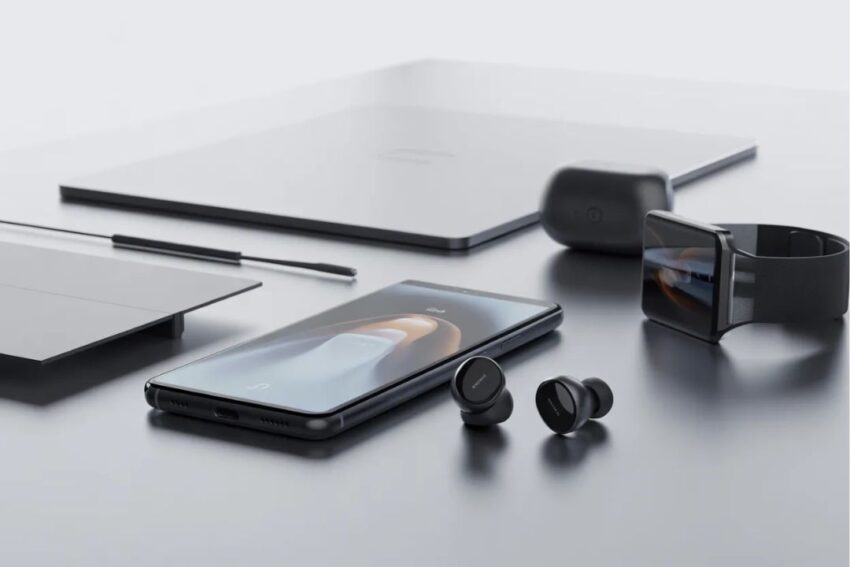
Introduction
The world is undergoing a technological revolution driven by smart gadgets and devices that are transforming the way we live, work, and communicate. From smartphones and smartwatches to home automation systems, wearable health devices, and connected vehicles, smart technology is reshaping daily life. These innovations are not only enhancing convenience but also increasing efficiency, connectivity, and personalization across industries and homes.
The future of smart technology lies in intelligent devices powered by artificial intelligence (AI), the Internet of Things (IoT), and advanced connectivity such as 5G networks. These devices are capable of learning user preferences, making autonomous decisions, and seamlessly integrating with other smart systems. This article explores the evolution of gadgets and devices, their impact on daily life, emerging trends, challenges, and what the future holds for smart technology, while maintaining a fully SEO-based structure.
Understanding Smart Gadgets and Devices
Smart gadgets and devices are electronic tools equipped with advanced computing capabilities, sensors, and connectivity features. They collect data, process information, and interact with users or other devices autonomously.
Key Features of Smart Devices
- Connectivity – Devices are connected to networks, cloud systems, or other devices.
- Automation – Capable of performing tasks without manual intervention.
- Data Analysis – Use sensors and AI to analyze information and make decisions.
- User Interaction – Interfaces allow users to control or monitor the device remotely.
Examples include smart thermostats, fitness trackers, voice assistants, autonomous vehicles, and smart home appliances.
Evolution of Smart Technology
Early Gadgets
Early consumer electronics, such as basic mobile phones and digital watches, provided limited functionality but laid the foundation for future innovations.
Rise of Smartphones and Wearables
Smartphones revolutionized communication, entertainment, and productivity, while wearables enabled real-time health monitoring and connectivity on the go.
Integration with IoT
The Internet of Things connected everyday objects to the internet, enabling data sharing, remote control, and automation in homes, cities, and industries.
AI and Machine Learning
Artificial intelligence enhances smart devices by enabling predictive behaviors, personalized recommendations, and autonomous decision-making.
Impact of Smart Gadgets on Daily Life
Personal Convenience
Smart devices simplify daily routines. Voice assistants can manage calendars, control home appliances, and provide instant information.
Health and Fitness
Wearables track physical activity, monitor heart rates, sleep patterns, and even detect irregular health conditions, enabling proactive healthcare.
Home Automation
Smart homes allow control over lighting, security systems, thermostats, and entertainment, enhancing comfort, safety, and energy efficiency.
Communication and Connectivity
Smartphones and connected devices facilitate seamless communication, virtual meetings, social networking, and collaborative work.
Emerging Trends in Smart Technology
AI-Powered Devices
Devices powered by AI can learn user preferences, predict behavior, and automate complex tasks.
Voice-Activated Gadgets
Voice assistants like Alexa, Siri, and Google Assistant have transformed the way people interact with technology.
Wearable Technology
Smartwatches, fitness trackers, AR glasses, and health-monitoring devices are becoming increasingly sophisticated.
Smart Vehicles
Autonomous cars, connected vehicles, and electric vehicles integrate smart technology for safety, efficiency, and enhanced user experience.
Edge Computing and 5G Connectivity
Fast and reliable 5G networks combined with edge computing allow devices to process data locally for faster decision-making and reduced latency.
Smart Devices in Industry and Business
Manufacturing and Industry 4.0
IoT-enabled machinery monitors performance, predicts maintenance needs, and optimizes production efficiency.
Retail and Customer Experience
Smart devices enable personalized shopping experiences, digital payment systems, and inventory automation.
Healthcare and Remote Monitoring
Smart health devices allow remote patient monitoring, telemedicine, and early detection of health issues.
Education and Learning
Smart tablets, interactive displays, and AR/VR technology enhance learning experiences for students worldwide.
Benefits of Smart Gadgets and Devices
- Enhanced Efficiency – Automating tasks reduces time and effort.
- Improved Decision Making – Data-driven insights help make informed choices.
- Personalization – Devices adapt to individual user needs and preferences.
- Cost and Energy Savings – Smart appliances optimize energy usage and reduce costs.
- Safety and Security – Smart cameras, locks, and sensors improve home and personal security.
Challenges and Concerns
Data Privacy and Security
Smart devices collect sensitive personal information, raising concerns about unauthorized access and data misuse.
Interoperability Issues
Different devices and platforms may struggle to work together seamlessly, limiting integration potential.
High Costs
Advanced smart devices can be expensive, restricting accessibility for some users.
Dependency and Over-Reliance
Excessive reliance on technology can reduce critical thinking and problem-solving skills.
Environmental Impact
The production and disposal of electronic gadgets contribute to electronic waste and environmental degradation.
Future of Smart Technology
The future of smart gadgets and devices is marked by increasing intelligence, autonomy, and integration.
AI-Driven Personal Assistants
Future devices will provide even more sophisticated predictive assistance, learning from behavior patterns and environmental context.
Fully Connected Smart Homes and Cities
Integration of smart devices with city infrastructure will enable intelligent traffic management, energy efficiency, and public safety.
Advanced Healthcare Devices
Wearables and implantable devices will continuously monitor health metrics, alerting users and doctors in real-time.
Immersive AR and VR Experiences
Augmented and virtual reality devices will transform entertainment, education, and remote collaboration.
Sustainable and Energy-Efficient Gadgets
Eco-friendly materials and energy-saving technologies will be a priority in future device development.
The Role of AI and IoT in Shaping the Future
AI-Powered Automation
Artificial intelligence enables devices to automate complex tasks, analyze vast amounts of data, and make autonomous decisions.
IoT Connectivity
The Internet of Things connects billions of devices worldwide, creating smart ecosystems that communicate and optimize operations.
Predictive Analytics
Devices will predict user needs, environmental changes, and potential system failures to provide proactive solutions.
Enhanced User Experiences
Smart devices will continue to evolve for more intuitive and seamless interactions, adapting to user preferences and habits.
Conclusion
Gadgets and devices are at the forefront of the future of smart technology, redefining how individuals live, how businesses operate, and how cities function. With the integration of AI, IoT, 5G, and wearable technologies, smart devices offer unprecedented convenience, efficiency, and personalization.
However, challenges such as data privacy, interoperability, environmental impact, and reliance on technology must be addressed to ensure sustainable and responsible innovation. As the future unfolds, smart devices will not only make everyday life easier but will also transform industries, healthcare, education, and urban living, creating a truly connected and intelligent world.
The future of smart technology is not just about gadgets—it’s about creating ecosystems that enhance human experiences, improve decision-making, and empower individuals and society to thrive in an increasingly digital age.