Introduction
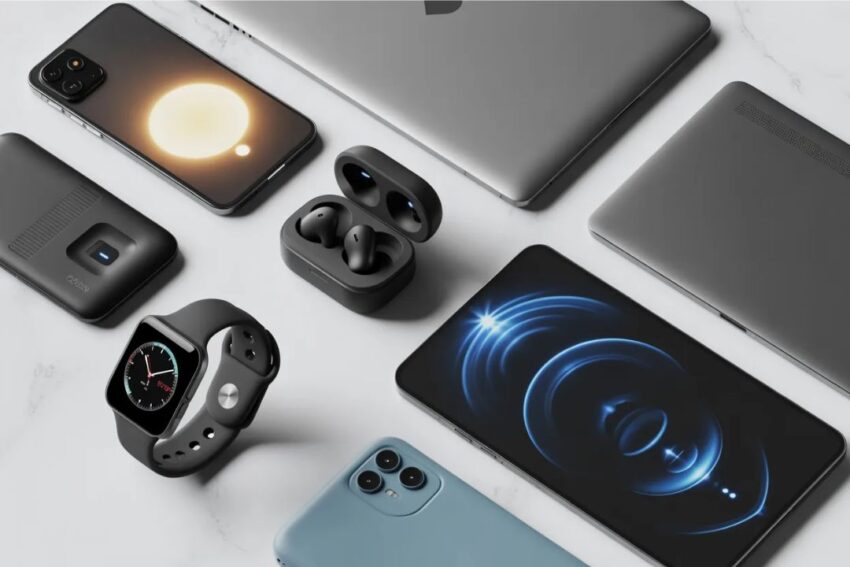
In the digital age, smart gadgets and modern devices are reshaping the way we live, work, and interact. From intelligent home appliances and wearable health monitors to AI-powered personal assistants and connected entertainment systems, technology is becoming smarter, more intuitive, and increasingly integrated into daily life.
These devices combine artificial intelligence (AI), Internet of Things (IoT), and advanced connectivity such as 5G to provide convenience, efficiency, and personalization. Whether enhancing productivity, improving health, or simplifying household tasks, modern gadgets are revolutionizing the way we approach everyday life. This article explores the latest smart gadgets, their applications, benefits, emerging trends, challenges, and what the future holds.
Understanding Smart Gadgets and Modern Devices
Smart gadgets are electronic devices designed to perform intelligent tasks, interact with users, and adapt to their environment. Unlike traditional devices, smart gadgets are connected, automated, and data-driven, making them more efficient and user-friendly.
Key Features:
- Connectivity: Internet-enabled or network-connected devices
- Automation: Ability to perform tasks without human intervention
- Data Analysis: Devices learn from usage patterns and optimize performance
- User Interaction: Interfaces such as touchscreens, voice commands, or mobile apps
Examples of smart gadgets include smartphones, smartwatches, AI speakers, smart home devices, fitness trackers, and robotic assistants.
Popular Smart Gadgets and Modern Devices
1. Smartphones and Tablets
Modern smartphones and tablets are more than communication tools—they are mini-computers. Features such as AI-powered cameras, biometric security, high-refresh-rate displays, and mobile productivity apps make them central to daily life.
- Foldable and Dual-Screen Devices: Offer multitasking and portability
- AI Integration: Smart cameras, predictive text, and virtual assistants
- Connectivity: 5G-enabled for fast and seamless data transfer
2. Wearable Devices
Wearables combine health tracking, connectivity, and convenience.
- Smartwatches: Monitor heart rate, steps, sleep, and notifications
- Fitness Bands: Track activity and provide personalized health insights
- Health Monitoring Gadgets: Advanced devices track blood pressure, oxygen levels, and ECG readings
Wearables help users proactively manage health and wellness while staying connected.
3. Smart Home Devices
Smart homes are becoming a reality through devices that automate, monitor, and improve efficiency.
- Voice-Activated Assistants (Alexa, Google Assistant, Siri): Control smart home gadgets and provide information
- Smart Lights and Thermostats: Optimize energy use and convenience
- Security Devices: Smart cameras, sensors, and locks ensure safety
- Robotic Cleaners: Vacuum or mop floors autonomously
These gadgets simplify home management and provide comfort, efficiency, and security.
4. Entertainment and Gaming Gadgets
Modern devices provide immersive entertainment experiences.
- VR/AR Headsets: Transform gaming, learning, and virtual collaboration
- Smart TVs: Offer streaming services, AI recommendations, and interactive features
- Gaming Consoles: Advanced graphics, cloud gaming, and social connectivity
- Portable Media Players: Enable on-the-go entertainment
Smart gadgets enhance leisure, social interaction, and digital experiences.
5. Health and Fitness Devices
Technology-driven health gadgets are revolutionizing wellness.
- Smart Scales: Track weight, BMI, and body composition
- Sleep Monitors: Improve sleep quality by analyzing patterns
- Posture Correctors: Monitor and correct posture throughout the day
- Portable Medical Devices: Glucometers, ECG monitors, and oxygen trackers
These devices empower individuals to maintain health proactively.
6. Productivity and Office Gadgets
Modern devices boost productivity, organization, and remote collaboration.
- Smart Laptops and Tablets: Support multitasking and mobile work
- Wireless Keyboards and Mice: Improve ergonomics and flexibility
- Noise-Canceling Headphones: Enhance focus in busy environments
- Smart Projectors and Digital Whiteboards: Transform presentations and interactive learning
These gadgets make work more efficient and accessible from anywhere.
Emerging Trends in Smart Gadgets and Modern Devices
AI Integration
Artificial intelligence enhances gadgets by learning user behavior, predicting preferences, and automating complex tasks. Examples include smart cameras, personal assistants, and recommendation systems.
IoT Connectivity
Devices communicate with each other in a connected ecosystem, allowing smart homes, smart offices, and connected cities to function efficiently.
Voice Control and Hands-Free Operation
Voice-enabled devices allow multitasking and reduce the need for manual input, enhancing convenience.
Health-Focused Technology
Wearables and medical gadgets are increasingly integrated into healthcare for remote monitoring and predictive alerts.
Sustainable and Energy-Efficient Gadgets
Eco-friendly materials, low-energy consumption, and rechargeable batteries are becoming central in device development.
Benefits of Smart Gadgets and Modern Devices
- Time-Saving – Automation reduces manual effort in everyday tasks
- Enhanced Productivity – Devices assist in organizing work, managing tasks, and collaborating remotely
- Convenience – Smart homes, wearables, and assistants simplify daily routines
- Health and Wellness – Real-time monitoring and insights help maintain healthy lifestyles
- Safety and Security – Smart locks, cameras, and alerts protect property and personal safety
- Personalization – Devices adapt to user habits and preferences, creating a customized experience
Challenges and Concerns
Data Privacy and Security
Connected devices collect personal and sensitive data, making them potential targets for cyberattacks.
High Costs
Cutting-edge smart gadgets can be expensive, limiting accessibility for some users.
Compatibility Issues
Devices from different manufacturers may not seamlessly integrate, affecting ecosystem efficiency.
Dependence on Technology
Over-reliance on smart devices may reduce critical thinking or problem-solving skills.
Environmental Impact
Production and disposal of gadgets contribute to electronic waste. Sustainable design is essential to mitigate this issue.
Future of Smart Gadgets and Modern Devices
AI-Driven Automation
Future devices will anticipate user needs, automate complex tasks, and provide proactive solutions.
Fully Connected Smart Ecosystems
Homes, offices, and cities will be integrated into intelligent networks where devices communicate for optimized performance.
Advanced Health and Wellness Devices
Wearables and medical gadgets will provide real-time insights, predictive analytics, and remote alerts for proactive healthcare.
AR/VR and Immersive Experiences
Augmented and virtual reality devices will transform entertainment, education, and professional collaboration.
Eco-Friendly Innovations
Sustainable materials, energy-efficient gadgets, and longer lifespans will define the next generation of smart devices.
Conclusion
Smart gadgets and modern devices are transforming everyday life by enhancing convenience, productivity, health, and entertainment. From AI-powered assistants and wearables to smart homes and connected offices, these innovations make tasks easier, safer, and more efficient.
While challenges such as data privacy, high costs, and environmental concerns exist, the benefits of personalization, automation, and connectivity far outweigh the risks.
The future of technology lies in intelligent, connected, and sustainable devices that seamlessly integrate into daily life. As innovation continues, smart gadgets and modern devices will not only simplify routines but also empower individuals, businesses, and communities to thrive in a digital world.